Residential Electrical Services: A Homeowner’s Guide to Licensed Electricians, Repairs, Inspections, and Upgrades
By Chris Galaviz, Licensed Electrician with over 10 years of electrical experience and more than 1,000 completed jobs, known for consistently following best practices while providing exceptional customer service and clear communication, For The People Electric .
Home electrical systems can feel complicated. This guide breaks down what licensed electricians do, the services they offer, and why regular inspections and upgrades matter for safety and efficiency. From lighting installs to emergency repairs, you’ll learn the essentials of keeping your home’s wiring reliable and how to make informed choices when hiring contractors. We’ll cover electricians’ responsibilities, common repair needs, and practical tips for finding qualified professionals near you, including in areas like San Tan Valley and Queen Creek.
Key Takeaways
- Licensed electricians protect your home by following codes and handling installations, repairs, and ongoing maintenance.
- Common services include lighting installs and upgrades, panel work, EV charger hookups, and general residential electrical tasks.
- Warning signs like flickering lights and repeated breaker trips are clues to wiring problems that need prompt attention.
- Schedule electrical inspections every 3–5 years to spot issues early and keep systems safe and efficient.
- Upgrading your breaker panel increases capacity, adds modern safety features, and lowers fire risk.
- To find a good electrician, check licenses, read references, and compare clear, written estimates, especially when searching in San Tan Valley, Queen Creek, or nearby areas.
- For emergency electrical issues, get professional help immediately and use safe practices like turning off power when possible.
- Outlet installations should account for load and location; expect typical costs between $100 and $200 per outlet.
- Regular maintenance and household safety training reduce hazards and extend the life of your electrical system.
Roles and Responsibilities of Licensed Electricians
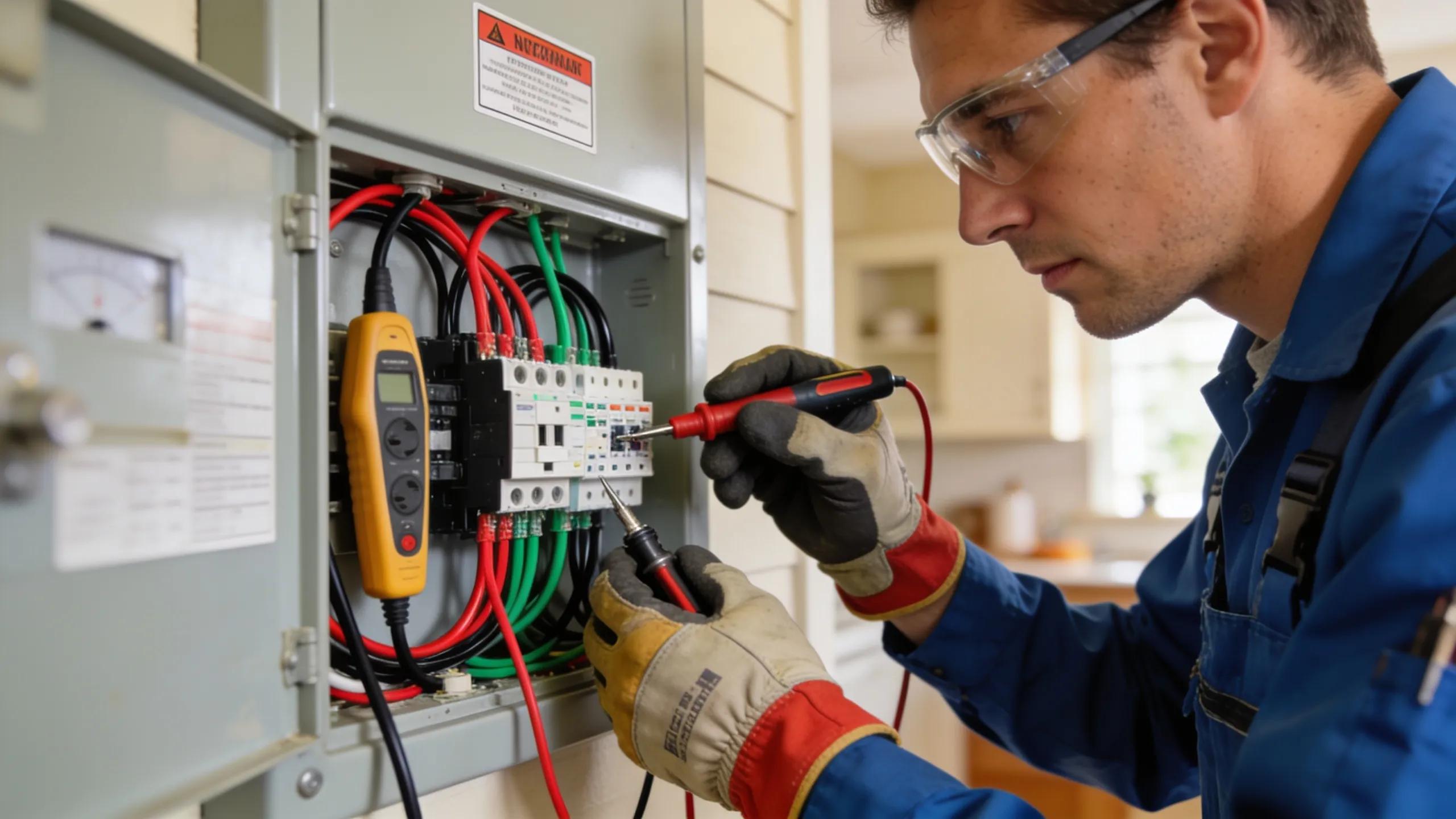
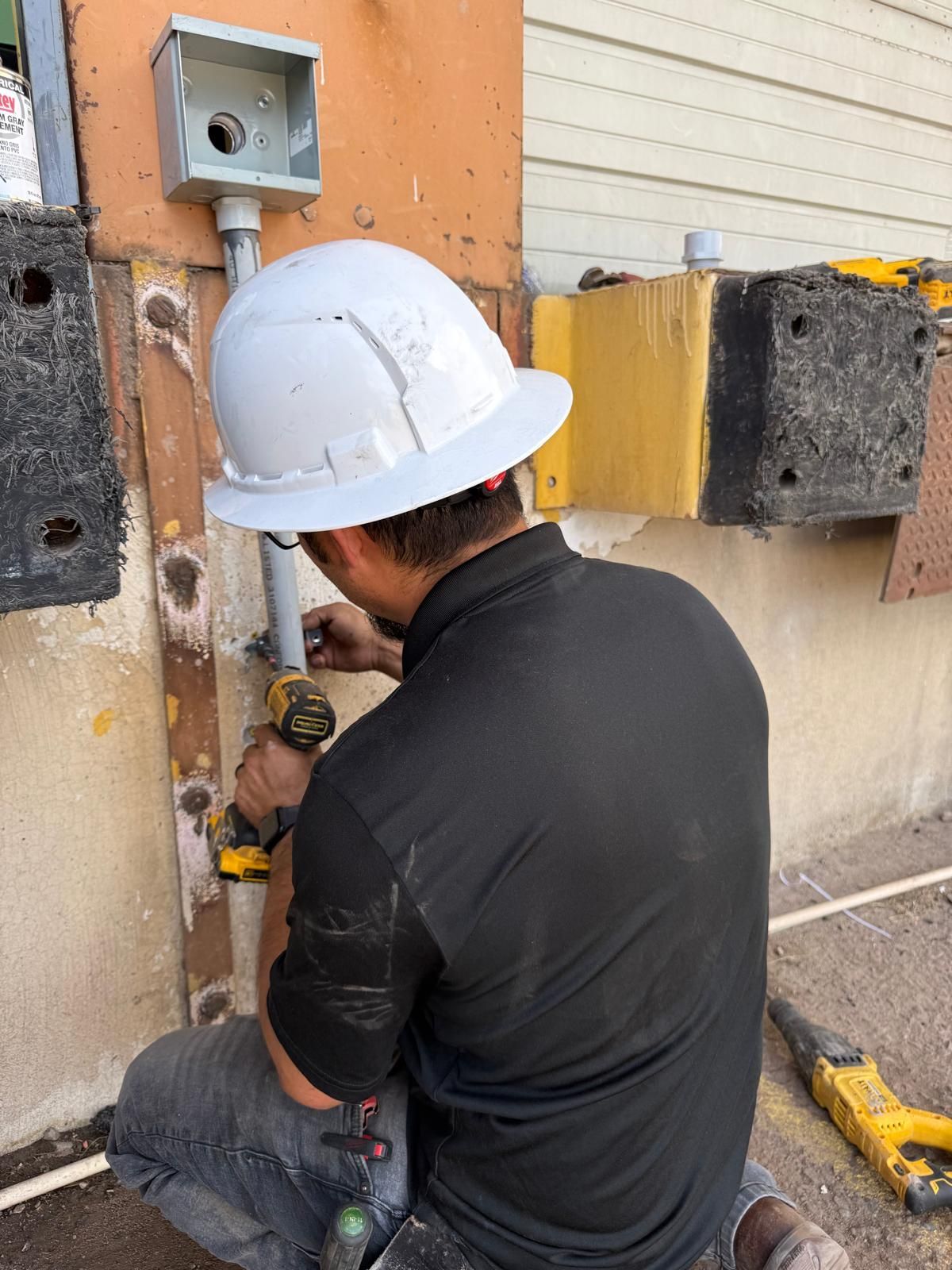
Licensed electricians are responsible for installing, maintaining, and repairing the electrical systems in your home. They work to meet safety codes and standards, which protects people and property from electrical hazards. Beyond routine wiring and fixture work, electricians diagnose problems, recommend repairs or upgrades, and ensure work is completed to code. Hiring a licensed professional gives you confidence that the job will be done safely and correctly.
Homeowners should be aware that electrician licensing requirements vary by state and locality; understanding those differences helps you verify a professional’s credentials before hiring them.
Electrician Licensure and Qualifications: Essential Information for Homeowners
Across the United States, electricians are regulated through licensing, certification, or registration, and the specific rules differ from state to state and sometimes between local jurisdictions. Licensing usually requires proof of training, experience, and passing exams administered by a government authority, which grants the legal right to perform electrical work.Life, limbs, and licensing: Occupational regulation, wages, and workplace safety of electricians, 1992–2007, MM Kleiner, 1992
Services Offered
Licensed electricians offer a full range of services to meet homeowners’ electrical needs. Below are common services you can expect and why they matter.
Lighting Installation & Upgrades
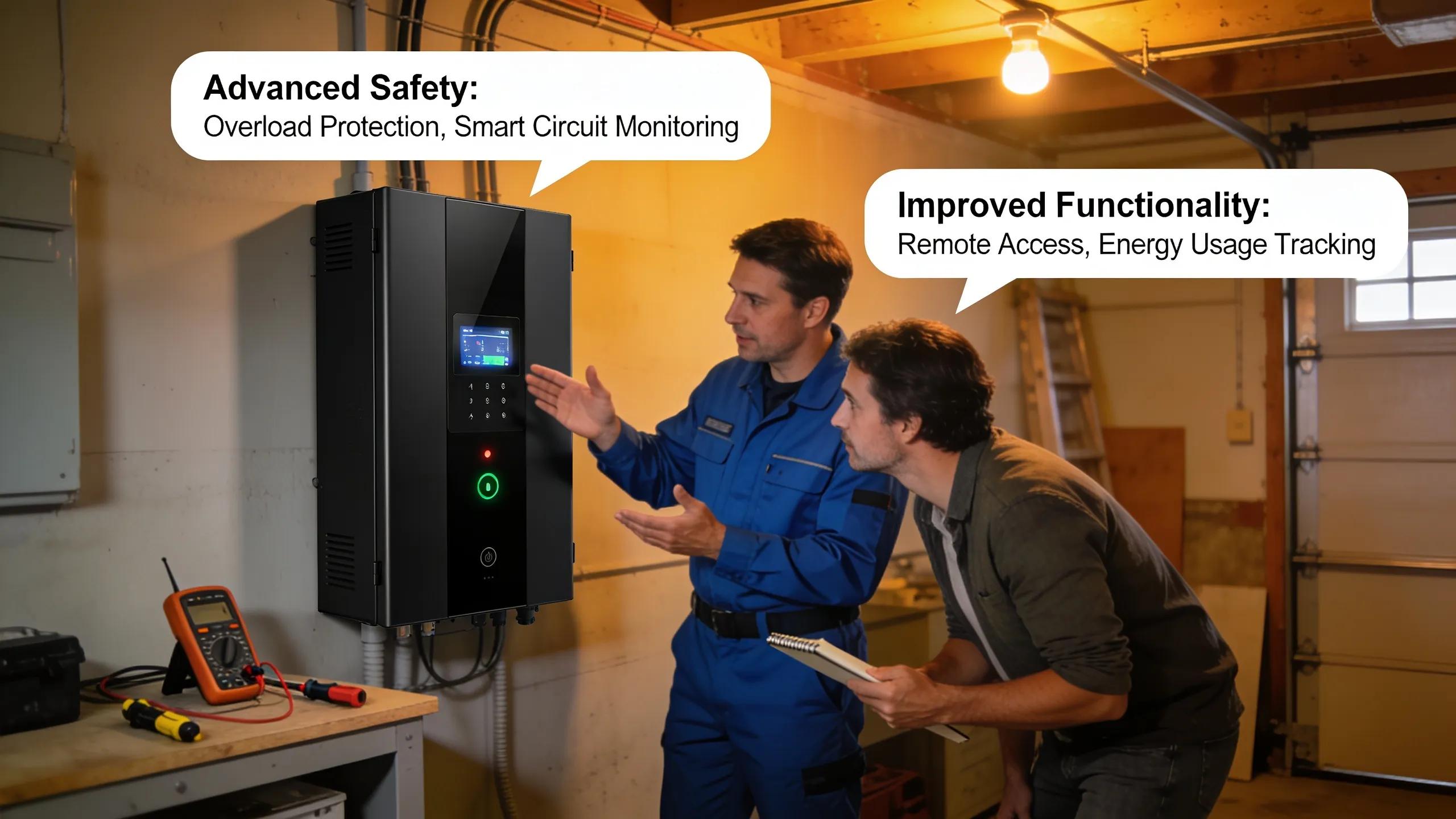
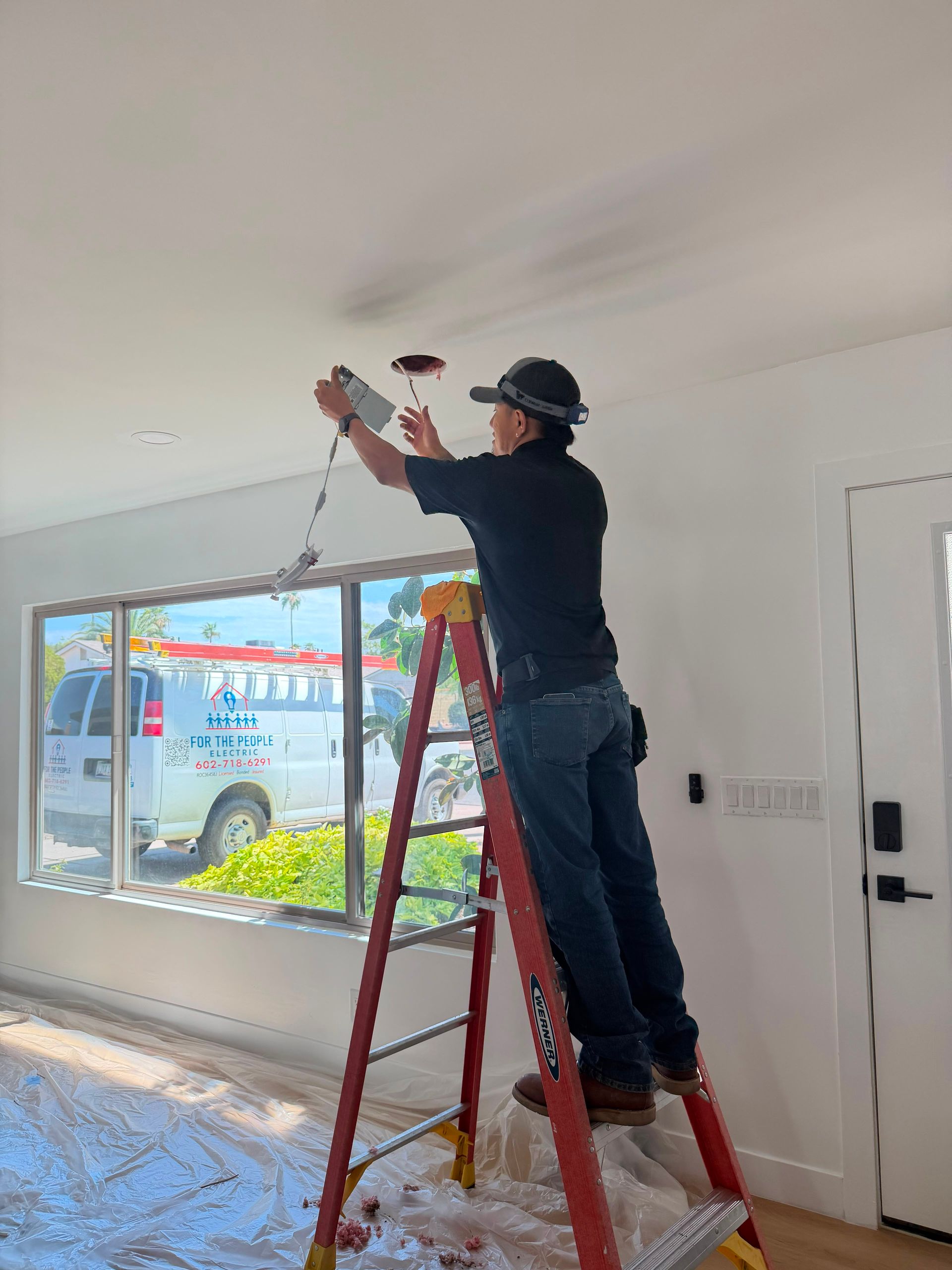
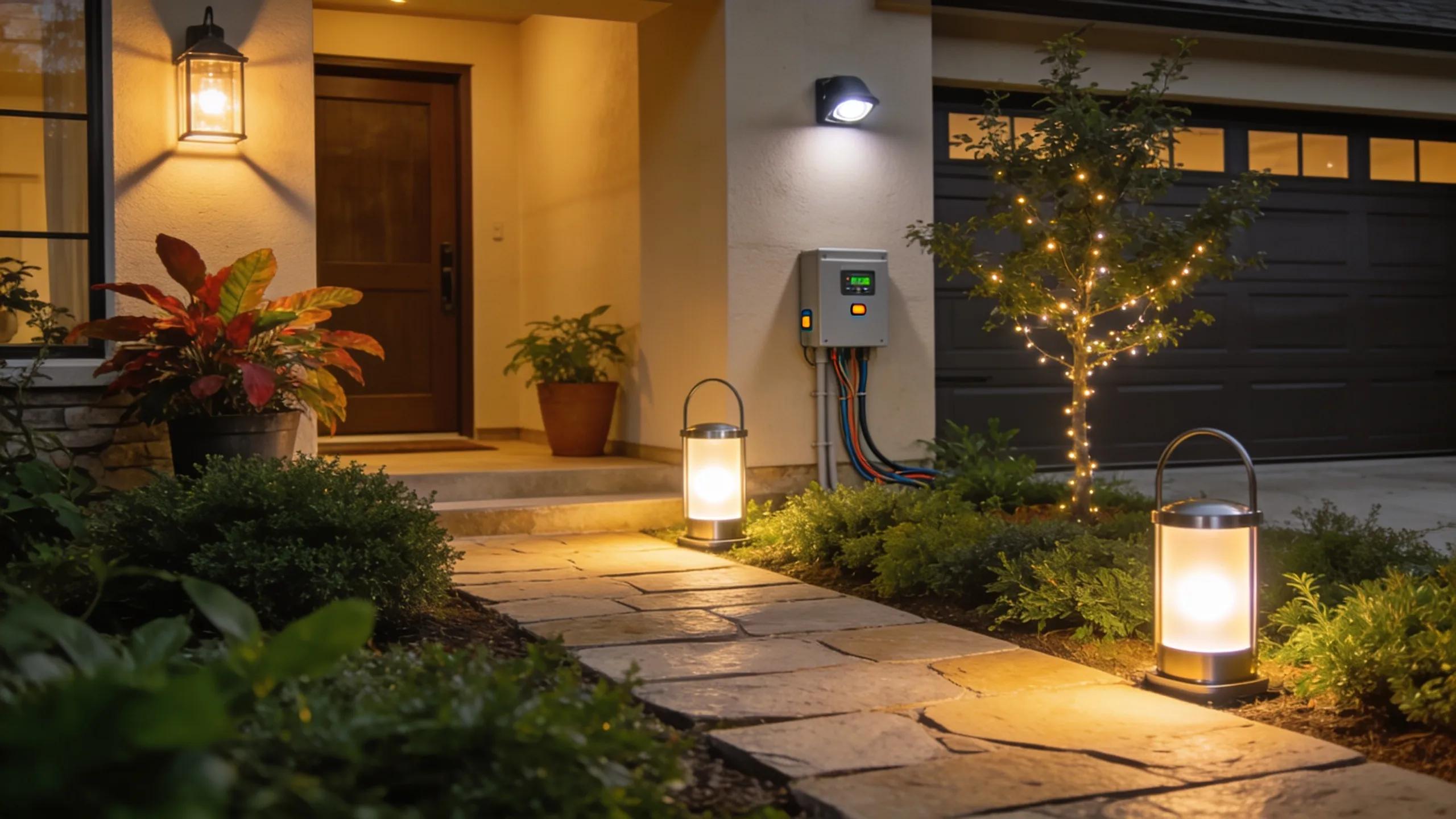
Lighting work covers indoor and outdoor fixtures, from basic installs to energy-saving upgrades. Electricians can recommend and install LED fixtures, dimmers, and smart controls that improve look, performance, and utility costs. Upgrading lighting often delivers noticeable comfort and energy savings.
Electrical Panel Upgrades
Panel upgrades are important when your home needs more power or when existing equipment is outdated. A modern panel improves safety, supports new appliances, and makes it easier to add features like EV charging. Replacing old panels reduces the chance of overloads and other failures.
EV Charger Installation
More homeowners are adding EV chargers. Electricians assess your electrical capacity and recommend the right level of charging equipment, handling permits and safe installation so you can charge from home reliably and efficiently.
Residential Electrical Services
Services range from basic wiring and outlet work to specialized installs for renovations and custom projects. Electricians ensure the work meets local codes and integrates with the rest of your home’s systems.
General Electrical Maintenance
Routine maintenance helps prevent failures and extends the life of your electrical components. Typical maintenance includes testing circuits, inspecting wiring and outlets, tightening connections, and replacing worn parts before they become hazards.
Repairs
Electrical issues come in many forms and often require quick professional response. Knowing common problems helps homeowners act before small issues become dangerous.
How to Recognize Faulty Wiring and Electrical Issues in Your Home?
Signs of faulty wiring include flickering or dimming lights, frequent circuit-breaker trips, burnt-smelling outlets, and switches that feel hot. If you notice any of these, contact a licensed electrician quickly to evaluate and fix the problem.
What Is the Typical Cost Range for Home Wiring Inspections and Electrical Repairs?
Inspection and repair costs vary by scope and region. Basic inspections typically run $150–$300. Simple repairs can start around $200, while more extensive wiring work may range up to $1,200 or more depending on the issue and complexity.
Inspections
Regular inspections are a key part of electrical safety and efficiency. They catch small problems early and ensure your system meets current safety expectations.
Inspections also tie into broader energy and comfort upgrades for homes; addressing electrical safety can improve overall home performance and occupant well-being.
Residential Energy Enhancements: Health, Comfort, and Electrical Safety Implications
Research shows that home energy upgrades bring benefits beyond savings—improved thermal comfort, better indoor air quality, and general occupant comfort. Likewise, electrification and safety-focused electrical improvements can reduce noise, lower exposure to combustion products, and support healthier indoor environments.Home energy upgrades as a pathway to home decarbonization in the us: A literature review, N Casquero-Modrego, 2022
Upgrades
Updating your electrical system —panels, wiring, outlets—keeps your home aligned with modern safety standards and the power demands of current technology.
What Are the Benefits of Upgrading Your Breaker Panel for Home Safety?
A panel upgrade increases capacity and adds current safety features that reduce overload risk. Modern breakers can improve fault protection and make it safer to run high-demand appliances without stressing the system.
How to Identify If Your Breaker Box Needs an Upgrade?
If breakers trip often, the panel is an older model, or you’re adding high-power appliances, it’s time to consult an electrician. A pro can assess load, add circuits, or recommend a full panel replacement to meet your needs safely.
How to Find a Licensed Residential Electrician for Your Home Electrical Needs?
Finding a reliable electrician follows three practical steps:
- Verify Credentials: Confirm the electrician holds a current license and carries insurance for your state or locality, including electricians serving San Tan Valley and Queen Creek.
- Ask for References: Read reviews and speak with past clients when possible to learn about the electrician’s workmanship and reliability.
- Request Estimates: Get detailed, written estimates from multiple providers so you can compare scope, timelines, and pricing.
What Qualifications Should a Residential Electrician Have?
A qualified electrician will have completed an apprenticeship, hold any required state or local licenses, and pursue continuing education to stay current with codes and technology. Practical experience is essential for diagnosing complex issues and delivering safe solutions.
What Are Common Signs and Costs of Home Wiring Inspection and Repairs?
Common warning signs include hot or discolored outlets, flickering lights, and unusual smells from fixtures. Address these issues promptly. Standard inspection fees are usually $150–$300, while repair costs can vary widely and may reach $1,200 or more for major work.
When and Why Should You Consider Breaker Box Upgrade Services?
Consider upgrading when you experience frequent trips, have older equipment, or are adding high-demand appliances. Upgrades improve safety, can increase efficiency, and ensure compliance with current electrical codes.
What Emergency Electrical Repair Services Are Available for Homeowners?
Emergency services cover urgent problems like blown fuses, sparking outlets, or exposed wiring. Keep contact information for a trusted electrician who offers rapid response so issues are addressed safely and quickly.
How to Handle Common Electrical Emergencies Safely?
In an emergency, follow these safety steps:
- Turn off the main power if it is safe and you know how to do it.
- Avoid touching wet or conductive surfaces when dealing with electrical problems.
- Call a licensed electrician right away for professional assistance.
Where to Find Quick Emergency Electrical Repair Near Me?
To find emergency help, check local listings, ask neighbors for recommendations, or read recent online reviews. Prioritize electricians with fast response times and verifiable credentials, including those serving San Tan Valley and Queen Creek.
How to Choose and Install New Electrical Outlets in Your Home?
Choose outlets based on the room’s needs and expected load. Consider GFCI protection for wet areas and dedicated circuits where high-power devices will be used. A licensed electrician can advise on placement and capacity.
What Types of Outlet Installation Services Are Available Near Me?
Common options include standard outlets for general use and GFCI outlets for kitchens, bathrooms, and outdoor areas. Electricians can also install USB-integrated outlets, tamper-resistant receptacles, and dedicated circuits for appliances.
How Much Does Professional Outlet Installation Cost?
Installing a standard outlet typically costs $100–$200, depending on complexity and local labor rates. Adding dedicated circuits or working behind finished walls can increase the price.
What Are Essential Home Electrical Safety Tips and Maintenance Checklists?
Keeping your home safe electrically requires regular attention and sensible habits. Key steps include:
- Routine Inspections: Schedule periodic checks with a licensed electrician to catch problems early.
- Use Proper Extension Cords: Don’t overload cords and choose ones rated for the device and environment.
- Educate Family Members: Teach everyone basic electrical safety, like unplugging appliances when not in use and not using damaged cords.
These steps reflect established safety standards and regulations that help prevent electrical accidents and protect people and property.
Ensuring Electrical Safety: Standards, Regulations, and Maintenance
Regulatory bodies set and enforce standards to ensure safe electrical installation and maintenance nationwide. Their work helps reduce hazards associated with electricity and protects both occupants and structures through clear requirements and best practices.
Invisible threats: An investigation of electrical hazards and safety practices among residential electricity consumers, F Kulor, 2024
How Often Should Home Wiring Be Inspected According to Safety Standards?
Generally, have your wiring inspected every 3–5 years, or sooner if you notice problems or make major home changes. Local codes or insurers may recommend different schedules, so check with a licensed electrician or local authority.
Which Routine Maintenance Steps Prevent Electrical Hazards?
Preventive steps include replacing frayed cords, tightening loose outlets, clearly labeling breakers, and keeping the panel area accessible. A professional inspection every few years catches wear before it becomes dangerous.
Frequently Asked Questions
What Should Homeowners Look for When Hiring an Electrician?
When hiring, confirm the electrician’s license and insurance, read recent reviews, and ask for references. Request a clear, written estimate and discuss previous projects so you can judge experience and fit. A good electrician will answer your questions and explain the work in plain terms.
How Can Homeowners Maintain Their Electrical Systems?
Maintain your system with inspections every 3–5 years, monitor cords and outlets for wear, avoid overloading circuits, and keep the area around the panel clear. Unplug unused devices and use surge protection where appropriate.
How Often Should I Upgrade My Home's Electrical Systems?
Consider upgrades every 20–30 years or sooner if you experience frequent breaker trips, flickering lights, or if you add appliances that demand more power. After major renovations, consult a licensed electrician to assess whether your system needs updating.
What Safety Features Should Modern Electrical Panels Have?
Modern panels should include circuit breakers that prevent overloads, GFCI protection where water is present, and AFCI protection to detect arc faults. Many homes also benefit from whole-house surge protection to guard electronics from voltage spikes.
What Are the Risks of Ignoring Electrical Issues?
Ignoring electrical problems can lead to shocks, fires, and damage to wiring and appliances. Signs like flickering lights, frequent trips, or scorched outlets are warnings you shouldn’t ignore. Prompt repairs protect your home and family and can reduce long-term costs.
How Do Electricians Diagnose Electrical Problems?
Electricians diagnose issues by inspecting wiring, outlets, and panels, and using tools like multimeters to test voltage, current, and resistance. They combine testing results with code knowledge and experience to find causes and recommend safe, code-compliant fixes.
Conclusion
Understanding residential electrical services helps you keep your home safe and running smoothly. Work with licensed electricians to address problems, plan upgrades, and maintain systems to current safety standards. If it’s been a while since your last inspection or you’re planning new appliances, schedule a professional evaluation to protect your home and loved ones. When looking for expertise in locations such as San Tan Valley and Queen Creek, be sure to seek licensed electricians familiar with local codes and needs.
References
- Life, limbs, and licensing: Occupational regulation, wages, and workplace safety of electricians, 1992–2007, MM Kleiner, 1992
- Home energy upgrades as a pathway to home decarbonization in the us: A literature review, N Casquero-Modrego, 2022
- Invisible threats: An investigation of electrical hazards and safety practices among residential electricity consumers, F Kulor, 2024